What repairs is a landlord legally responsible for in England?
What section 11 of the Landlord and Tenant Act 1985 requires landlords to repair, its limits, and how it differs from the 2018 fitness-for-habitation duty.
In England, a landlord's core repairing duty comes from section 11 of the Landlord and Tenant Act 1985. It makes the landlord responsible for keeping the property's structure and exterior in repair, along with the installations for water, gas, electricity, sanitation, and space and water heating — but only once they know about the problem and have had a reasonable chance to fix it. A separate, broader duty under the Homes (Fitness for Human Habitation) Act 2018 also requires the property to be fit to live in throughout the tenancy. The two duties overlap but are not the same thing.
What section 11 actually covers
Section 11 implies a repairing covenant into most residential tenancies, whether or not the written agreement mentions it. The landlord must keep in repair:
- the structure and exterior of the dwelling, including drains, gutters and external pipes
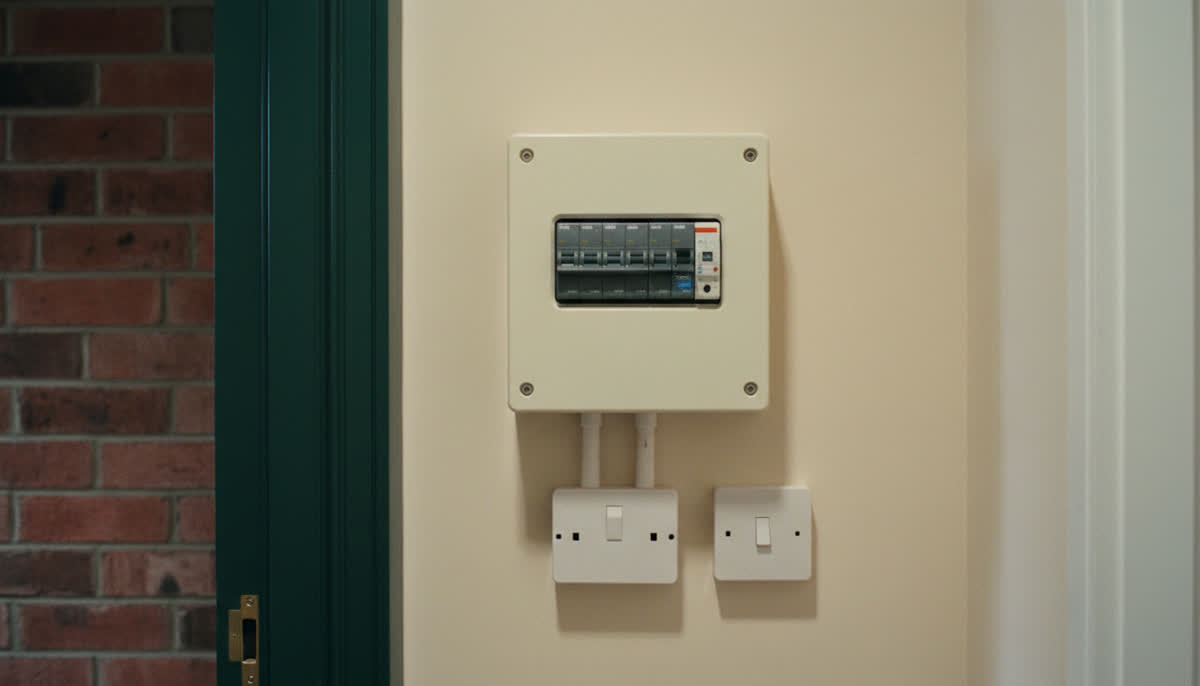
- installations for the supply of water, gas and electricity, and for sanitation (basins, sinks, baths and sanitary conveniences)
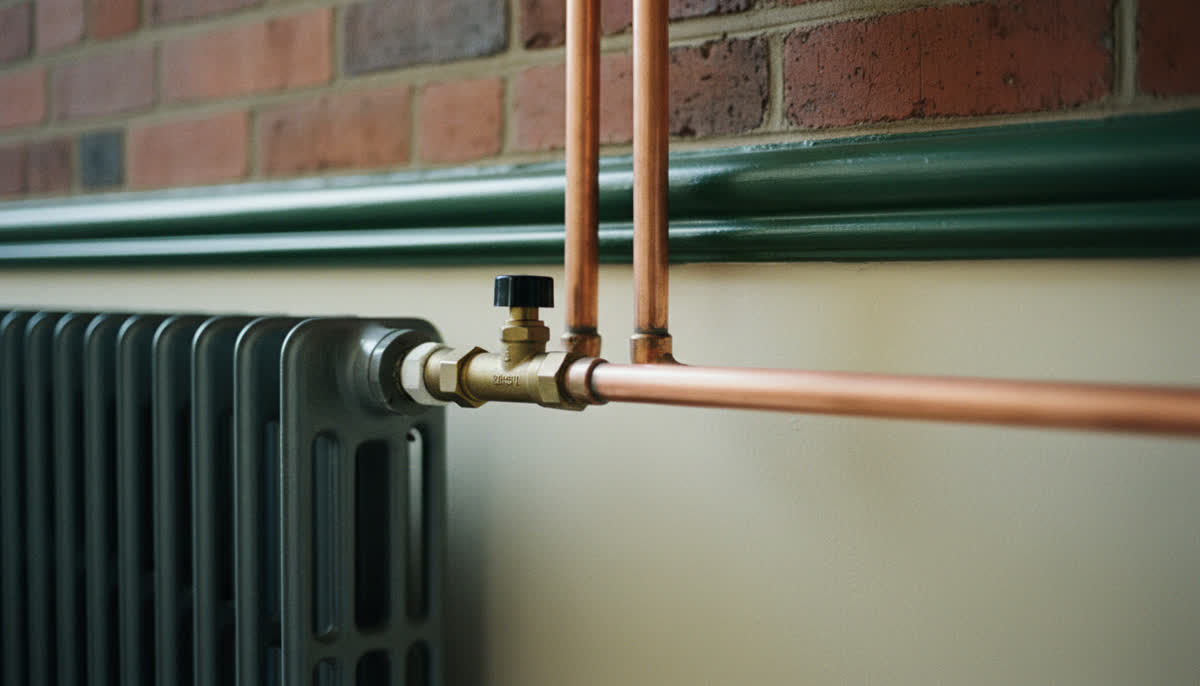
- installations for space heating and heating water
Where the let property is part of a larger building — a flat, for example — section 11(1A) extends this to parts of the building the landlord has an interest in, and to installations serving the flat, such as shared pipework or a communal boiler. That extended duty only bites where the disrepair actually affects the tenant's enjoyment of their home or of the common parts (section 11(1B)).
The standard isn't absolute perfection. Section 11(3) sets the bar by reference to the age, character and prospective life of the property and the locality it's in — an older or more modest property is judged against what would be reasonable for a property of that kind, not against a new-build standard.
What it doesn't cover
Section 11(2) carves out several things the landlord doesn't have to fix:
- damage the tenant is responsible for, under their duty to use the property in a tenant-like manner or under an express term of the tenancy
- rebuilding or reinstating the property after fire, storm, flood or other inevitable accident
- maintaining fixtures, fittings or fixtures the tenant is entitled to remove — for example, items the tenant installed themselves
It's also worth being precise about what "installations" means here: the duty covers the pipework, wiring and fittings that bring the gas, water and electricity supply into working order, not every appliance that uses them. A landlord-supplied cooker or washing machine sits outside section 11 unless the tenancy agreement says otherwise.
Where repair work outside the dwelling needs access rights the landlord doesn't have — over a neighbouring part of the building, say — section 11(3A) gives the landlord a defence if they can show they used all reasonable endeavours to get those rights but couldn't.
When the duty actually bites: notice first
Section 11 is not a duty to inspect or anticipate problems. The well-established general principle is that a landlord only becomes liable for disrepair once they have notice of it — from the tenant or otherwise — and have then had a reasonable opportunity to carry out the repair. Exactly what counts as "reasonable" is fact-specific: it depends on the nature and urgency of the fault (a burst pipe is not a blocked gutter), what access the landlord needs, and the availability of contractors. There's no fixed number of days set out in the legislation, and anyone claiming otherwise is guessing. The practical takeaway for landlords is to have a clear system for tenants to report repairs and to act on reports promptly and record when they were made and actioned.
This is also where access to the property matters in practice — a landlord can't fix what they can't get into, and has to go through the proper notice procedure to arrange entry unless it's a genuine emergency.
Which tenancies does section 11 apply to?
Section 13 sets the scope: section 11 applies to tenancies of a dwelling granted on or after 24 October 1961 for a term of less than seven years. At first glance that sounds like it would exclude long leases, but it does not exclude ordinary rolling tenancies. A periodic tenancy — the rolling weekly or monthly arrangement that most assured shorthold tenancies become once any initial fixed term ends — has no fixed term of seven years or more; each period is short, and section 13 does not treat an indefinite, continuing periodic arrangement as a single seven-year-plus term. In practice, this means the great majority of residential lettings in England — fixed-term ASTs under seven years and the periodic tenancies that follow them — fall squarely within section 11, automatically, regardless of what the written agreement says.
How this differs from the 2018 fitness-for-habitation duty
The Homes (Fitness for Human Habitation) Act 2018 inserted sections 9A and 9B into the Landlord and Tenant Act 1985, in force from 20 March 2019. Section 9A implies a covenant that the dwelling is fit for human habitation when the tenancy starts and will remain so throughout the term. This is a broader and, importantly, a different kind of duty from section 11: it isn't limited to the specific repair categories listed in section 11, it covers the property's overall fitness to live in, and it isn't triggered only once the landlord has had notice and a reasonable opportunity to act in the same way section 11 is. The two duties carry similar exceptions (tenant-caused damage, inevitable accidents, items the tenant is entitled to remove), and in practice a serious repair failure — damp and mould that makes a property unfit, for instance — can engage both section 11 and the 2018 Act's fitness duty at once. They are worth understanding as separate but overlapping legal routes, not substitutes for each other.
Keeping on top of repairing obligations, safety certificates and access arrangements is most of what day-to-day property management involves. If you'd rather hand that side of things to someone who manages it full time, Atlas Estates' management fees are set out there, and we're happy to talk through what's involved for your property.
This article is general information, not legal advice, and reflects the position as at October 2026. Repairing obligations are fact-specific, and the law may have changed since publication — landlords and tenants with a live repair dispute should get independent legal advice, for example from a solicitor, before relying on it.
If you'd like help managing repairs, certificates and tenant communication on a let property in Manchester, contact Atlas Estates on 0161 710 4510, or visit us at 12–14 Midland Street, Manchester M12 6LB.